What Is Translation Memory Software, and How Does It Help Translation Teams?
When a company updates a product, many parts of its content may stay the same: setup instructions, support answers, safety notices, or familiar product terms. Translating those passages from scratch each time takes effort. Reusing an old translation without checking it can cause mistakes.Translation memory software helps teams reuse previous work while keeping a translator in control of the final wording.
How translation memory works
A translation memory, or TM, stores source text alongside its approved translation. In a CAT tool, the software compares new text with what is already in the memory and suggests matching or similar segments.The translator reviews each suggestion. An exact match may be ready to use, or it may need a small change. A partial match can provide a useful starting point. If the wording does not fit the context, the translator can ignore it and translate the segment anew.A TM does not create translations the way machine translation does. It retrieves work that has already been translated and saved.
A simple example
Imagine a company revising a product manual. The instructions for charging the device are unchanged, but the troubleshooting section has been updated for a new model.A translation memory may find approved translations for the unchanged instructions. The translator can check those against the current manual and spend more time on the new troubleshooting steps. The result is less repeated work, with the translator still making the decisions.
Translation memory, machine translation, and glossaries
Why context and review still matter
A matching sentence is not automatically the right sentence. A phrase may refer to a different feature, audience, or version of a product. The target language may also need different wording depending on the market.That is why a translator should review more than the match percentage. They should check surrounding text, terminology, numbers, formatting, and whether the content still reflects the current source. Quality checks can help catch missing segments or inconsistent terms, but they cannot replace that judgment.The quality of a translation memory matters, too. Saving reviewed, approved work makes future suggestions more useful. Adding outdated or unchecked content can carry old mistakes into new projects.
Making translation memory part of the project workflow
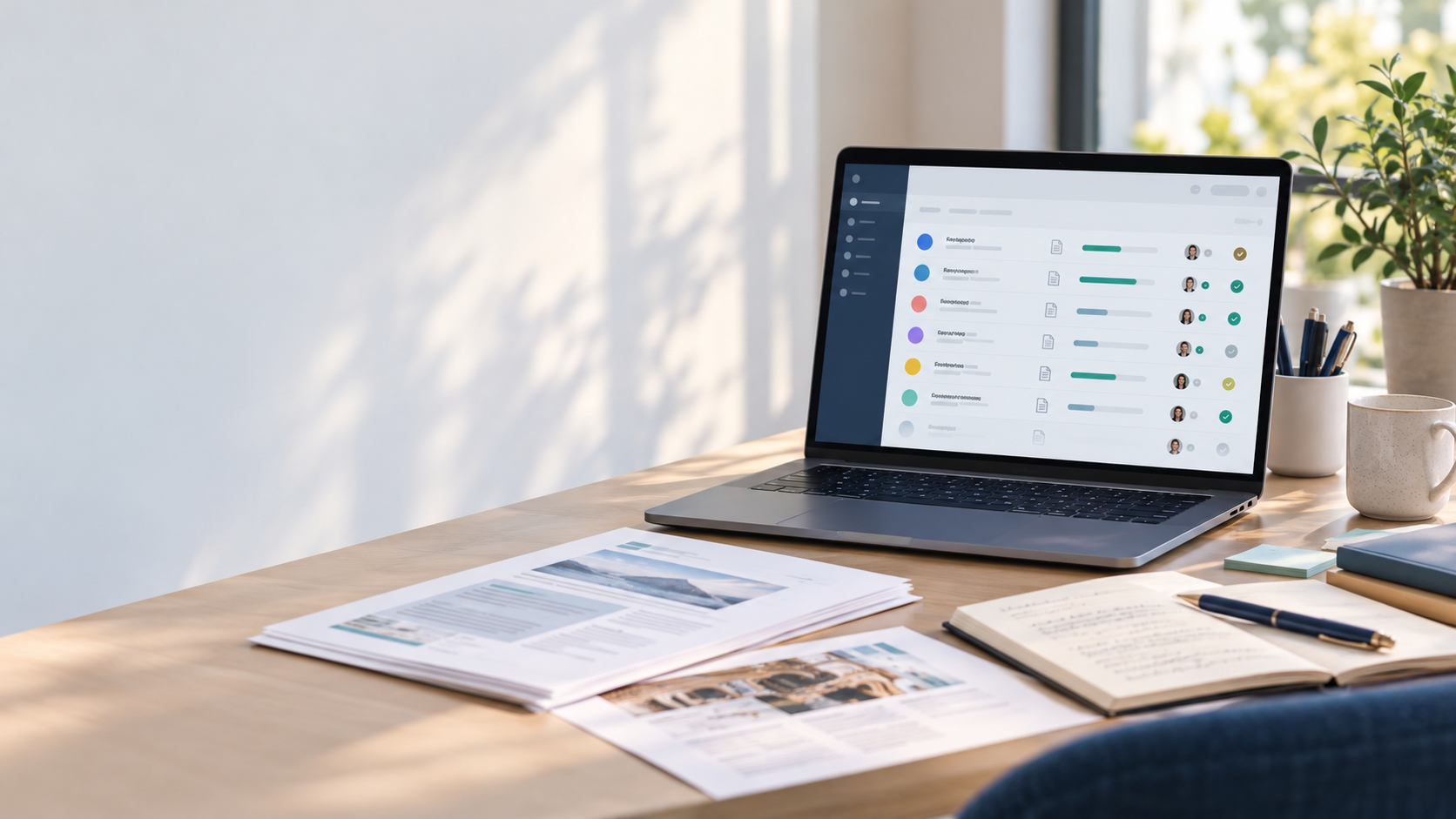
A translation memory is most useful when it is easy to find and apply during a project. Teams need to organize files, assign translators and reviewers, track progress, and keep approved wording available for future work.Mars Linguistics brings project management and a CAT editor into one workflow. Teams can build and use translation memories for their own workspaces and projects, then review suggestions while translating. That makes it easier to reuse relevant work without treating every match as final.I built Mars Linguistics around a practical need: translators, reviewers, project managers, and clients need to work from the same organized project information. Translation memory is one part of that process, helping teams carry useful decisions forward while leaving the translator responsible for the language.
Is translation memory software right for your team?
If your organization translates recurring or regularly updated content, translation memory software can help reduce duplicate effort and maintain consistent wording. It is especially useful when projects involve multiple files, languages, or contributors.The best results come from a well-maintained memory, a clear review process, and a CAT tool that fits the way your team works. Translation memory can make previous work easier to reuse; people still make the translation accurate for the content in front of them.Mars Linguistics connects translation memories with project workflows and a CAT editor. Visit marslinguistics.com to learn more.